Understanding Flight Training Options with Fly88
Choosing to pursue flight training is one of the most exhilarating decisions you can make. With the demand for qualified pilots on the rise, understanding the various pathways available for training is crucial for aspiring aviators. Fly88 aims to provide insights into the different flight training options, helping you find the most suitable route to achieve your aviation dreams. Whether you’re aiming for a private pilot license to fly leisurely or you aspire to become a commercial pilot, knowing your options will guide you in selecting the right program for your unique goals.
When exploring options, Fly88 offers comprehensive insights into the various flight schools available, which cater to different needs and budgets.
Types of Flight Schools Available
There are several types of flight schools that cater to students with different aspirations:
- Part 61 Schools: These schools offer more flexibility in scheduling and curriculum. They are ideal for students who may have other commitments. Training can be slower but often allows for a more tailored experience.
- Part 141 Schools: These institutions follow a structured syllabus approved by the FAA. They are often more rigorous, providing a set number of flight hours and ground school classes, which can be beneficial for students aiming for a career in aviation.
- Community Colleges: Many local colleges offer aviation programs that combine a degree with flight training. This option can be more economical and provide additional educational opportunities.
Choosing Between Private and Commercial Licenses
Deciding between obtaining a private or commercial pilot license is a significant step in your aviation career. A private pilot license (PPL) allows you to fly for personal use but not for compensation. It focuses on basic flying skills, navigation, and regulations. In contrast, a commercial pilot license (CPL) enables you to fly for hire and pursue a career as a pilot. This license requires additional training and flight hours, often focusing on more complex flying maneuvers and emergency procedures.
What to Expect During Flight Training
Flight training is a comprehensive journey that combines ground school with practical flight experience. Initially, you will learn about aviation principles, aircraft systems, meteorology, and regulations. Ground schools will prepare you for the FAA written exams. Following this, you will gain hands-on flying experience with an instructor, gradually taking on more responsibilities as you progress. Expect a mix of classroom learning and flight practice, with assessments throughout your training to ensure you meet required competencies.
Finding the Right Flight School: Key Considerations
Selecting the right flight school can significantly impact your training experience and career trajectory. Consider the following factors to make an informed decision.
Accreditation and Safety Records
One of the foremost considerations when choosing a flight school is its accreditation status and safety record. Accredited schools adhere to established standards and are recognized by regulatory authorities, providing reassurance of their quality. Moreover, reviewing incident reports and safety statistics gives insight into the school’s commitment to maintaining a safe learning environment.
Instructor Qualifications and Experience
The quality of your instructor can greatly affect your learning experience. It's essential to evaluate their qualifications, including certifications, flight hours, and experience in teaching. An instructor with a wealth of experience can provide valuable insights and practical tips that enhance your training.
Facilities and Equipment Quality
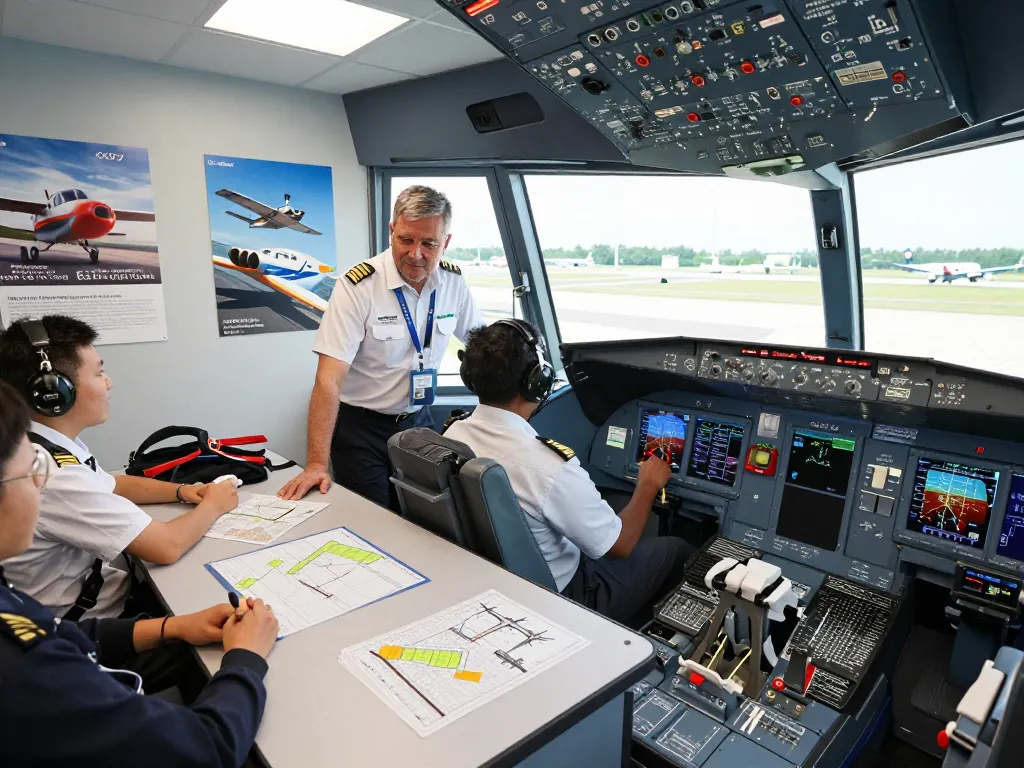
Visit the flight school to inspect their facilities and aircraft. Modern, well-maintained aircraft equipped with current technology enhance the learning experience and increase safety. Access to simulators and other training aids can also contribute to a more comprehensive education.
Cost Breakdown for Flight Training Programs
The cost of flight training can vary significantly based on several factors, including the type of school, location, and the type of license you wish to pursue. Understanding the financial commitment involved is crucial for prospective pilots.
Tuition Fees and Additional Expenses
Tuition fees are often just the tip of the iceberg when it comes to the overall cost of flight training. In addition to tuition, students should budget for books, equipment, fuel surcharges, and possibly accommodation if the school is not local. It's essential to get a comprehensive understanding of all costs involved before committing.
Financing Options and Scholarships
Many flight schools offer financing options that can make training more affordable. Additionally, various scholarships are available specifically for aspiring pilots. Researching these opportunities can provide significant financial relief and help make flying training attainable.
Hidden Costs to Be Aware Of
Beyond tuition, students should be aware of potential hidden costs. These can include fees for re-testing, extra flight hours beyond what is included in the package, and maintenance costs for personal gear. It's vital to have discussions with the school to understand the full financial picture.
Maximizing Your Flight School Experience
To derive the most value from your flight training experience, being proactive and engaged is key. Here are several strategies to enhance your learning journey.
Preparation Tips for Aspiring Pilots
Before beginning your training, familiarize yourself with aviation topics. Reading pilot training manuals, studying aviation weather, and practicing flight simulations can provide a strong foundation. Setting personal learning goals can also motivate you throughout the program.
Networking with Industry Professionals
Networking is vital in the aviation industry. Attend aviation events, engage with instructors and fellow students, and connect on platforms like LinkedIn. Building relationships can lead to job opportunities and mentorship, significantly aiding your career progression.
Continuing Education and Advanced Training Options
Once you've completed your initial training, consider pursuing advanced certifications. Options such as instrument ratings, multi-engine ratings, and flight instructor (CFI) certifications can broaden your career prospects and enhance your skills, making you more competitive in the job market.
The Future of Aviation Training: Trends for 2026 and Beyond
The aviation training sector is evolving rapidly, influenced by technological advancements and changes in the industry. Here are some notable trends shaping the future of flight training.
Technology Integration in Flight Training
The incorporation of technology in flight training is transforming how pilots learn. Virtual reality (VR) and augmented reality (AR) simulations offer unparalleled training experiences, replicating real-life scenarios in a controlled environment. Moreover, advancements in drone technology and AI are creating new avenues for training and operational efficiency.
Emerging Career Opportunities in Aviation
The demand for pilots is projected to rise in the coming years, driven by retirements and increased air travel. New roles like drone operators and aviation educators are also emerging, offering diverse career paths for those entering the field.
Predictions for the Next Generation of Pilots
As the aviation industry continues to evolve, the next generation of pilots will need to adapt to changes in technology and regulations. For more information, Fly88 chính thức offers valuable insights. This adaptability, coupled with advanced training, will be essential for success in a competitive job market. The focus will likely shift towards not just flying skills but also technological proficiency and understanding complex systems.