

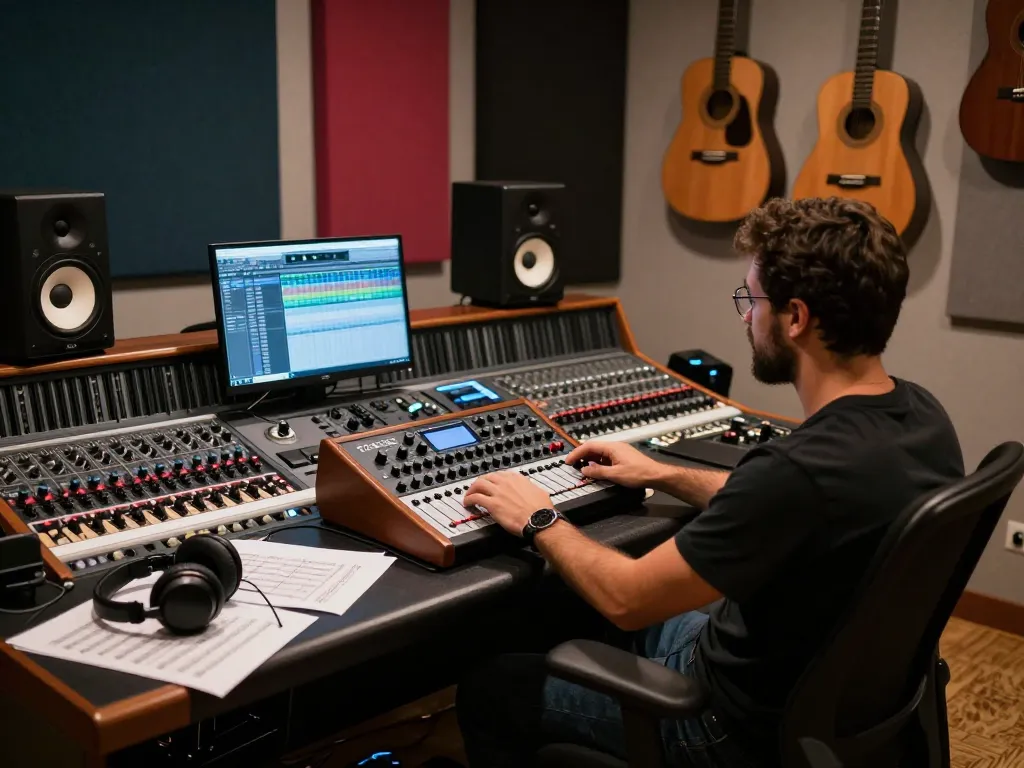
Introduction to DA-88: Revolutionizing Digital Audio
The Tascam DA-88 represents a significant leap in the realm of digital audio recording. Introduced by TASCAM in 1993, this 8-track modular multitrack recorder is well-regarded for revolutionizing home studios with its affordability and reliability. The DA-88 leveraged Hi-8 technology to garner a loyal following among enthusiasts and professionals alike, marking a pivotal moment in audio engineering. As we move into a new era of music production, understanding the legacy and capabilities of the da88 becomes essential for those looking to optimize their recording practices in 2026.
What is the DA-88 Multitrack Recorder?
The DA-88 is an 8-track, 16-bit digital multitrack recorder that uses Hi-8mm tapes, allowing for exceptional audio quality. This device was designed to provide extensive recording capabilities, making it a favorite for musicians and engineers. Able to record up to 1 hour and 48 minutes of audio, the DA-88 was considered a game-changer for those striving for professional sound without the prohibitive costs typically associated with high-end recording equipment.
History and Evolution of DA-88 Technology
The DA-88 made its debut at a time when analog recording was still prevalent, but as technology advanced, digital audio began to take center stage. The DA-88’s introduction came during a pivotal transition in the industry, providing users with an affordable and reliable alternative to traditional tape machines. The device’s modular design paved the way for integration with various systems, including ADAT and Pro Tools, further solidifying its place in music production history.
Why Choose DA-88 for Your Home Studio?
Choosing the DA-88 for your home studio brings numerous advantages. Its compact size, combined with powerful recording capabilities, makes it ideal for small spaces. The ease of use allows musicians of all skill levels to quickly navigate its features, contributing to a seamless recording experience. Moreover, with a community of dedicated users, there are ample resources available for troubleshooting and creative inspiration.
Setting Up Your DA-88: Best Practices
Essential Equipment for Your DA-88 Setup
To maximize the potential of the DA-88, having the right equipment is crucial. Essential items include Hi-8 tapes for optimal recording, quality microphones, audio interfaces, and a compatible mixing board. Additionally, a reliable power supply to maintain consistent functionality is essential. Ensuring all components are connected properly sets the foundation for successful sessions.
Room Acoustics: Optimizing Sound Quality
Room acoustics play a pivotal role in the quality of recordings. To enhance sound clarity, consider investing in acoustic panels, bass traps, and diffusers. These elements will help manage sound reflections, providing a controlled environment that makes the most of the DA-88’s capabilities. Experimenting with mic placement within the space can also yield significant improvements in audio quality.
Connecting DA-88 to Other Audio Devices
Integrating the DA-88 with other audio devices is straightforward. Using standard audio cables, connect your microphones and instruments directly to the DA-88. Additionally, utilize MIDI connections to synchronize with digital audio workstations (DAWs) for a more comprehensive setup. This flexibility allows for sophisticated recording layers that can elevate your projects.
Recording Techniques with DA-88
Best Recording Settings for Various Instruments
Different instruments require different recording techniques to capture their unique sounds. For instance, when recording vocals, it’s imperative to set the levels adequately to avoid clipping. Similarly, instruments like drums may benefit from close-miking techniques to achieve a more impactful presence in the mix. Utilizing the DA-88’s features, such as panning and EQ adjustments, can help refine the sound for each specific instrument.
Mixing and Editing Tips for DA-88 Tracks
Mixing and editing tracks recorded on the DA-88 involves a few key strategies. Start by leveling the tracks to ensure a balanced mix. Incorporating reverb and compression can help achieve a polished sound. Use the DA-88’s built-in effects judiciously; they can enhance the overall mix if applied with care. Additionally, maintaining the integrity of the original recordings during editing is essential, allowing for creativity without sacrificing quality.
Utilizing Effects and Plugins in Your Workflow
While the DA-88 has built-in effects, integrating third-party plugins can greatly expand your sound design capabilities. Whether you’re looking to add unique textures or refine your mix, utilizing digital effects in tandem with the DA-88 can result in professional-sounding audio. It’s advisable to experiment with different combinations to discover what works best for your style and genre.
Maintenance and Troubleshooting of DA-88
Routine Care for Longevity of Your Recorder
To ensure the longevity of your DA-88, routine maintenance is vital. Regularly clean the tape heads and demagnetize them using specialized tools. It’s also essential to check for wear and tear on your equipment. Scheduled servicing can prevent potential issues from developing, ensuring that your device remains in peak condition for years to come.
Common Issues and How to Fix Them
Even the most reliable equipment can face issues over time. Common problems with the DA-88 include tape errors, audio dropouts, and connectivity issues. Often, these can be resolved through recalibration or simple troubleshooting techniques. Familiarizing yourself with the device’s manual can provide insights into solving these problems efficiently.
When to Seek Professional Repair Services
If you encounter persistent issues that cannot be resolved through standard maintenance, it may be time to consult a professional. Look for technicians who specialize in vintage audio equipment. Their expertise can ensure that any repairs are conducted with care, preserving the integrity and functionality of your DA-88.
The Future of Music Production with DA-88
Trends in Digital Audio Technology for 2026
As we look ahead to 2026, the landscape of digital audio technology is rapidly evolving. Advancements in artificial intelligence and machine learning are beginning to influence music production, offering tools that can assist in mixing and mastering. The DA-88’s robust design allows it to integrate with these emerging technologies, provided users stay informed about software updates and new plugins.
Integrating DA-88 with Modern Recording Software
Integrating the DA-88 with contemporary recording software is not only possible but highly beneficial. Many DAWs now offer compatibility with older hardware, allowing for seamless transitions between digital recordings and analog workflows. This hybrid approach can enhance flexibility, enabling users to create unique soundscapes that merge the best of both worlds.
Community Insights: What Users Are Saying about DA-88
The DA-88 maintains a robust community of users who regularly share their experiences and insights. Forums and social media groups are rich with discussions about best practices, troubleshooting tips, and innovative recording techniques. Engaging with these communities can provide valuable support as you navigate your audio recording journey.
