

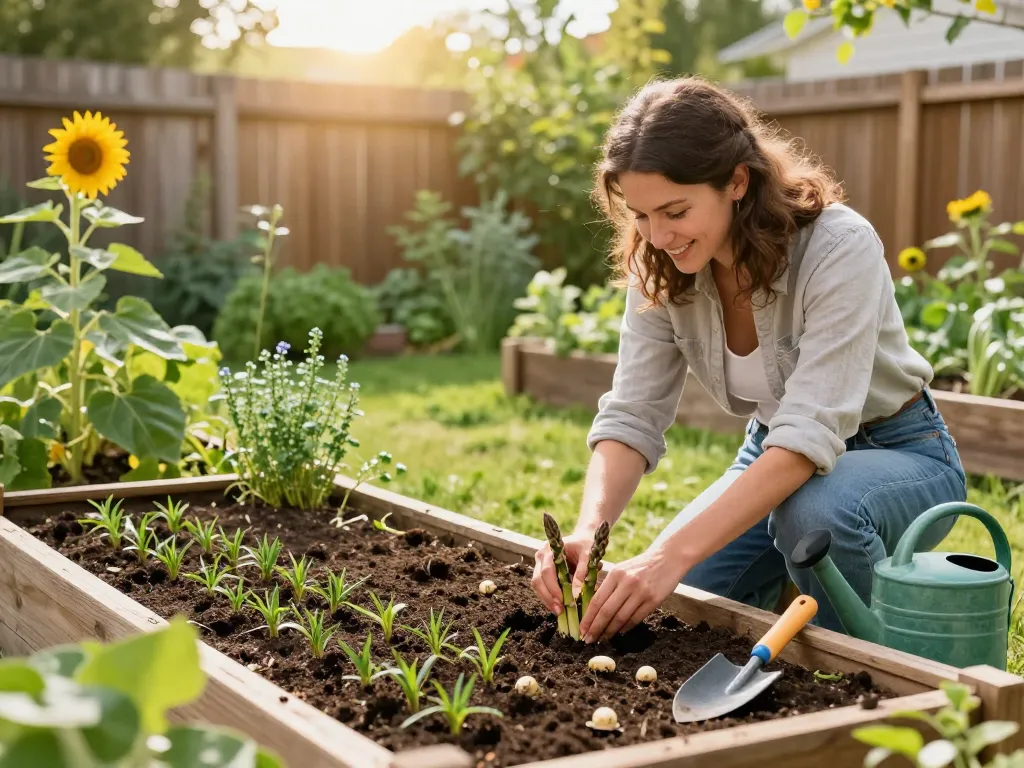
Understanding Asperges Moestuin Basics
Growing asparagus, or asperges, in your garden can be a rewarding endeavor, offering a delicious yield for years to come. As a perennial vegetable, asparagus can produce for over two decades with the right care and conditions. This article delves into the essentials of cultivating asperges moestuin, from selecting the right varieties to harvesting, ensuring a successful gardening experience.
What is Asperges Moestuin?
Asperges moestuin refers to the practice of growing asparagus in home gardens. This method not only enhances your gardening skills but also provides fresh produce for your kitchen. Asparagus is a popular choice for many gardeners due to its nutritional value and unique flavor, making it a staple in various cuisines.
Benefits of Growing Asparagus in Your Garden
- Long-lasting yield: Once established, asparagus can be harvested for 15–20 years.
- Nutritional benefits: Asparagus is a rich source of vitamins A, C, E, and K, as well as fiber and folate.
- Culinary versatility: This vegetable can be prepared in countless ways, from grilling to roasting, or even enjoyed raw.
- Low maintenance: Asparagus requires less care compared to annual crops once established, saving you time in your garden.
Asperges Varieties to Consider for Your Garden
When choosing asparagus varieties, consider the following popular types:
- Green asparagus: Common and well-loved, green asparagus sprouts above ground and is rich in flavor.
- White asparagus: This variety is grown underground to prevent chlorophyll production, offering a more delicate taste.
- Purple asparagus: With a sweeter flavor profile and higher antioxidant levels, this variety is gaining popularity among gardeners.
Preparing Your Garden for Asperges
Choosing the Right Location and Soil Type
Asparagus thrives in well-draining, sandy loam soil with good organic matter content. Aim for a sunny spot in your garden as asparagus requires at least 6–8 hours of direct sunlight daily. Ensure the area is free from excess water as overly moist conditions can lead to root rot. Regularly testing your soil’s pH, ideally between 6.5 and 7.5, can help in maintaining optimal growth conditions.
Essential Tools and Supplies for a Successful Planting
Before planting asparagus, gather the necessary tools and supplies, including:
- Garden spade or fork
- Rake for leveling soil
- Organic compost and well-rotted manure
- Watering can or hose with a spray nozzle
- Mulch for soil insulation and weed control
Creating the Perfect Planting Bed for Asperges
To prepare the planting bed, remove all weeds and debris. Loosen the soil to a depth of 12 inches, then mix in compost and manure to improve nutrient levels. Form raised beds if your soil is compacted or poorly drained, as these allow for better drainage and root growth. Dig trenches about 12 inches wide and 6 inches deep, spaced at least 3 feet apart.
Planting Techniques for Optimal Growth
When to Plant Asperges for Maximum Yield
The best time to plant asparagus is in early spring when the soil temperatures reach at least 50°F (10°C). You can also plant in the fall, although this requires more care to protect the young crowns from freezing temperatures.
Step-by-Step Planting Process
- Prepare the trenches as previously described.
- Place asparagus crowns in the trench, ensuring the crown is covered by about 2 inches of soil.
- Space each crown approximately 18 inches apart.
- Water the area thoroughly after planting to settle the soil around the crowns.
How to Care for Young Asperges Plants
After planting, it’s crucial to provide consistent care. Keep the soil moist but not soggy, especially during the first growing season. Mulching around the plants helps retain moisture and suppress weeds. As the plants grow, gradually fill in the trenches with soil until they are level with the ground.
Maintaining Your Asperges Moestuin
Watering and Fertilizing Tips
Asparagus requires regular watering, especially during dry spells. Aim for deep watering about once a week rather than frequent shallow watering. Fertilize with a balanced fertilizer such as 10-10-10 in early spring when the new shoots emerge, and again in late summer to promote root development.
Pest Control and Common Issues
Watch for pests such as asparagus beetles and aphids. Handpicking is effective for small infestations, while neem oil can help control larger infestations. Additionally, keep an eye out for common diseases like rust and root rot. Ensuring proper spacing and air circulation can prevent these issues.
Seasonal Care: Preparing for Each Growing Season
In the spring, remove any winter mulch and apply a fresh layer after the soil has warmed. In summer, allow the foliage to grow until it turns yellow, as this helps the plant store energy for future growth. In the fall, cut back the ferns to ground level and apply mulch to protect the crowns during winter.
Harvesting and Enjoying Your Asperges
When to Harvest Asperges for Peak Flavor
You can begin harvesting asparagus when the spears reach about 6 to 8 inches tall, typically around the second year after planting. Be sure to harvest sparingly in the early years to allow the plants to mature fully. Cut the spears at ground level in the morning for the best flavor.
Best Cooking Practices for Your Fresh Asperges
Freshly harvested asparagus can be enjoyed in many different ways. Steaming preserves the nutrients, while roasting enhances their natural sweetness. You can also blanch asparagus briefly before freezing for later use in salads or stir-fries.
Preserving Your Harvest for Future Use
If you have a bumper crop, consider freezing or pickling your asparagus. Blanching the spears before freezing helps maintain their quality and flavor. For pickling, use a vinegar brine and store the jars in a cool, dark place.
What are the Nutritional Benefits of Asperges?
Asparagus is low in calories yet nutrient-dense, containing significant amounts of vitamins A, C, and K. It is also high in dietary fiber, aiding digestion, and is a good source of folate, which is crucial for cell division and DNA synthesis.
Common Questions about Asperges Maintenance?
Many new gardeners wonder about the maintenance of asparagus plants. Key questions often include the ideal watering regime, how to manage pests, and when to fertilize. These concerns can usually be addressed by following the care tips outlined in this article.
How to Identify Healthy Asperges Plants?
Healthy asparagus plants have vibrant green spears that stand tall. The leaves should be lush and bushy, without signs of wilting or discoloration. Regular monitoring can help catch any issues early before they affect the harvest.
What Are the Best Companion Plants for Asperges?
Companion planting can enhance the growth of asparagus. Suitable companions include tomatoes, parsley, and basil, which can help deter pests and improve growth conditions. Avoid planting with beans or onions, which can hinder asparagus development.
Tips for Organic Asperges Gardening?
For those interested in organic gardening, consider using natural fertilizers like compost or aged manure. Employ crop rotation to prevent soil depletion and maintain soil health. Regularly inspect plants for signs of pests and diseases, employing natural remedies whenever possible.